Pet Safety

Plants that are toxic to dogs, cats and other pets

31 common US plants, each with a real photo, the toxic parts, and the symptoms to watch for. Free to share. No account needed.

Think your pet ate a toxic plant? Call now. Do not wait for symptoms.

Poison control veterinarians can tell you in minutes whether this is an emergency.

Both lines are answered 24/7. A consultation fee may apply.

No plants match your search. Clear the filters to see all 31.

Severe: emergency risk 8 plants

These plants can cause organ failure, seizures, or death. Treat any contact as an emergency and call right away.

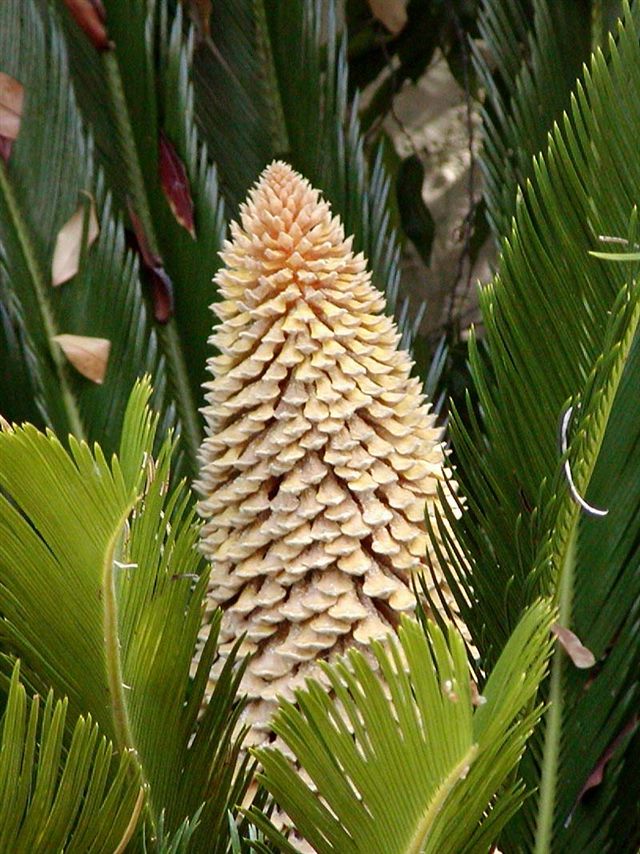
Sago Palm (Cycas revoluta) Severe Garden / Outdoor Wikimedia Commons · CC BY-SA 3.0

Sago Palm

Cycas revoluta

Affects: dogs, cats

Toxic part: All parts — especially seeds (nuts)

Symptoms: Vomiting Diarrhea Seizures Liver failure Death

One of the most dangerous plants for pets. Even 1-2 seeds can be fatal. Immediate emergency care required.
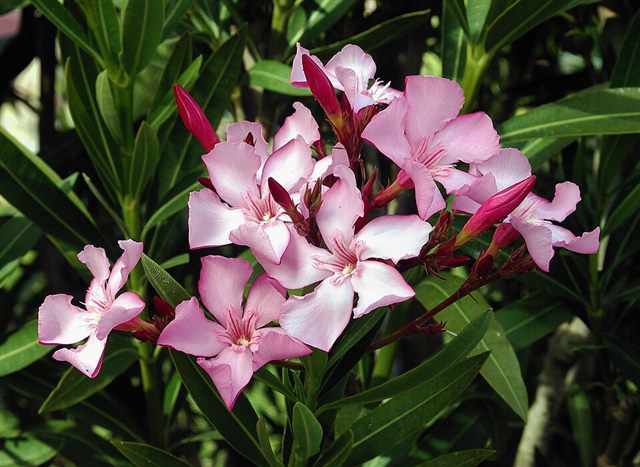
Oleander (Nerium oleander) Severe Garden / Outdoor Alvesgaspar · CC BY 2.5

Oleander

Nerium oleander

Affects: dogs, cats, horses

Toxic part: All parts including dried leaves and water from vase

Symptoms: Heart arrhythmia Vomiting Drooling Tremors Death

Common landscaping shrub in warm climates. All parts are deadly — even water that flowers have been in.

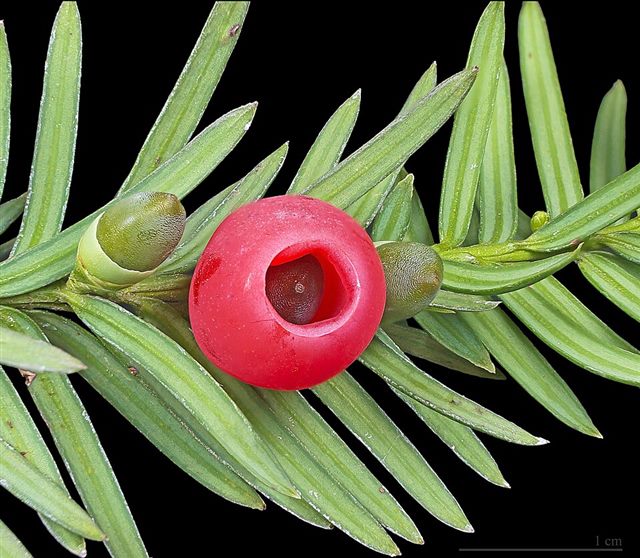
Yew (Taxus spp.) Severe Garden / Outdoor Didier Descouens · CC BY-SA 4.0

Yew

Also known as: English Yew, Japanese Yew

Taxus spp.

Affects: dogs, cats, horses, birds

Toxic part: All parts except the red berry flesh (seeds inside are toxic)

Symptoms: Sudden collapse Difficulty breathing Heart failure Death

A common ornamental shrub. Symptoms can appear rapidly and death may occur before any treatment. Emergency care required immediately.

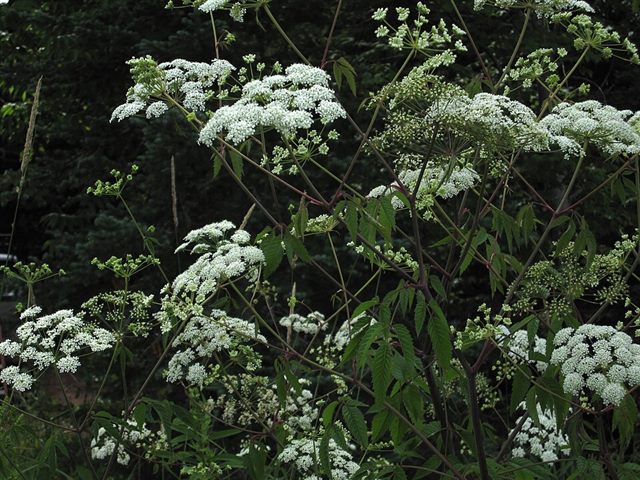
Water Hemlock

Also known as: Cowbane, Wild Parsnip

Cicuta spp.

Affects: dogs, cats, horses

Toxic part: Entire plant — especially roots

Symptoms: Grand mal seizures Frothing at mouth Muscle tremors Rapid death

Found near streams, ponds, and wet meadows. Considered one of the most violently toxic plants in North America.

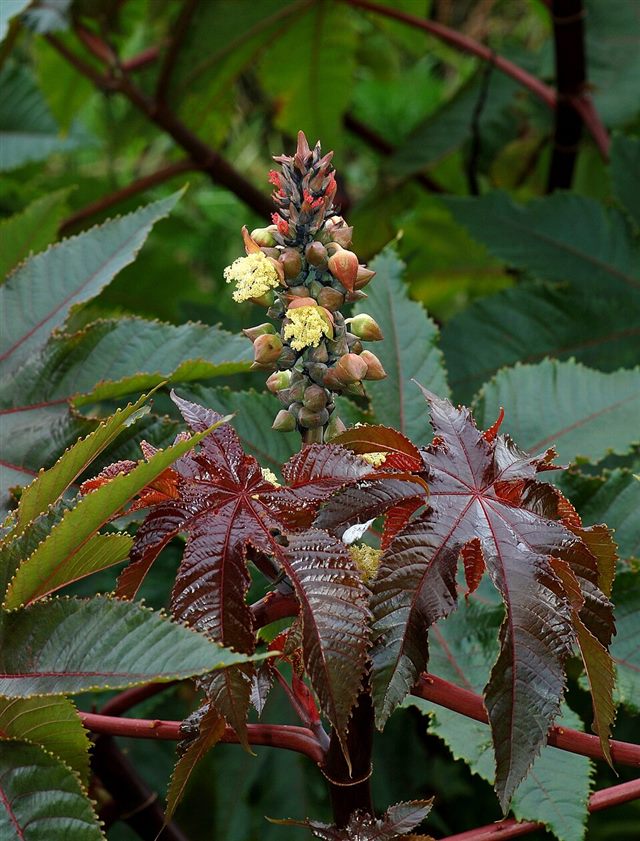
Castor Bean (Ricinus communis) Severe Garden / Outdoor Alvesgaspar · CC BY-SA 3.0

Castor Bean

Ricinus communis

Affects: dogs, cats, horses

Toxic part: Seeds (beans)

Symptoms: Severe abdominal pain Vomiting Internal bleeding Kidney failure Death

Contains ricin, one of the most toxic naturally occurring substances. Common as ornamental plant in warm climates.

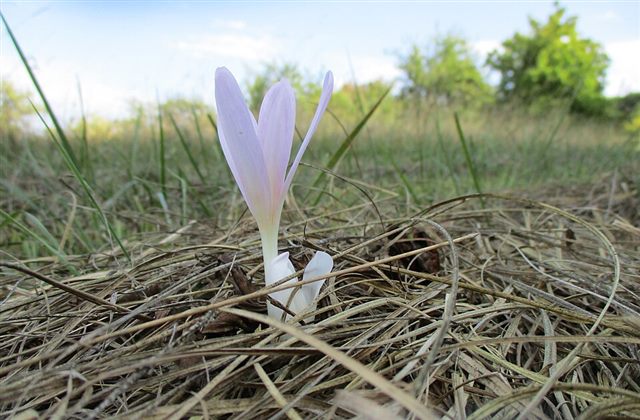
Autumn Crocus (Colchicum autumnale) Severe Garden / Outdoor AnRo0002 · CC0

Autumn Crocus

Also known as: Meadow Saffron, Naked Lady

Colchicum autumnale

Affects: dogs, cats

Toxic part: Entire plant — especially bulbs

Symptoms: Bloody vomiting Diarrhea Respiratory failure Kidney & liver damage Death

Do not confuse with spring crocuses (mildly toxic). Autumn crocus is extremely dangerous and can cause multi-organ failure.

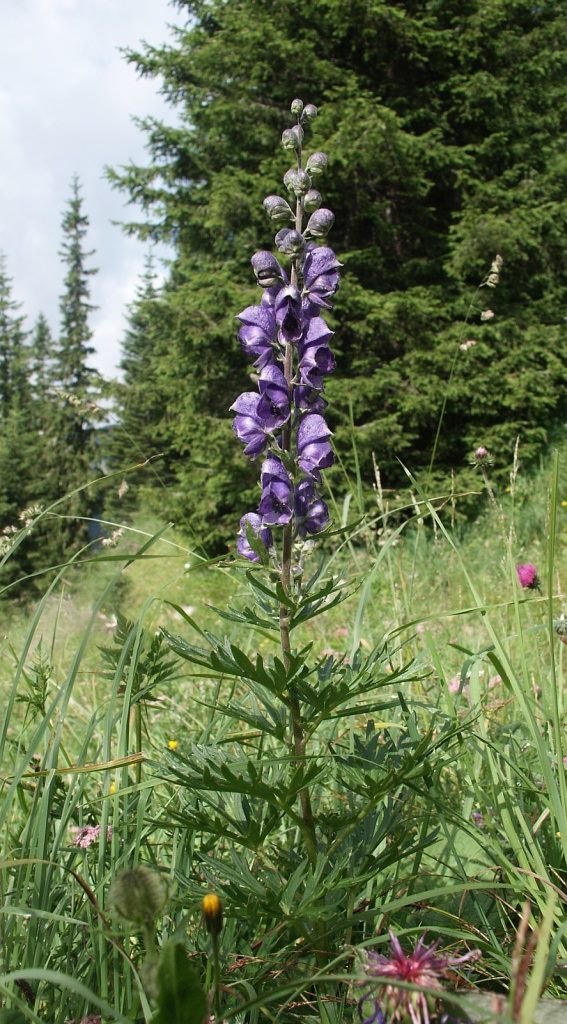
Monkshood (Aconitum napellus) Severe Garden / Outdoor Bernd Haynold · CC BY-SA 2.5

Monkshood

Also known as: Wolfsbane, Aconite

Aconitum napellus

Affects: dogs, cats

Toxic part: Entire plant — especially roots

Symptoms: Severe salivation Vomiting Heart arrhythmia Paralysis Death

Often used as a garden flower for its beautiful blue/purple blooms. One of the most toxic plants in Europe and North America.

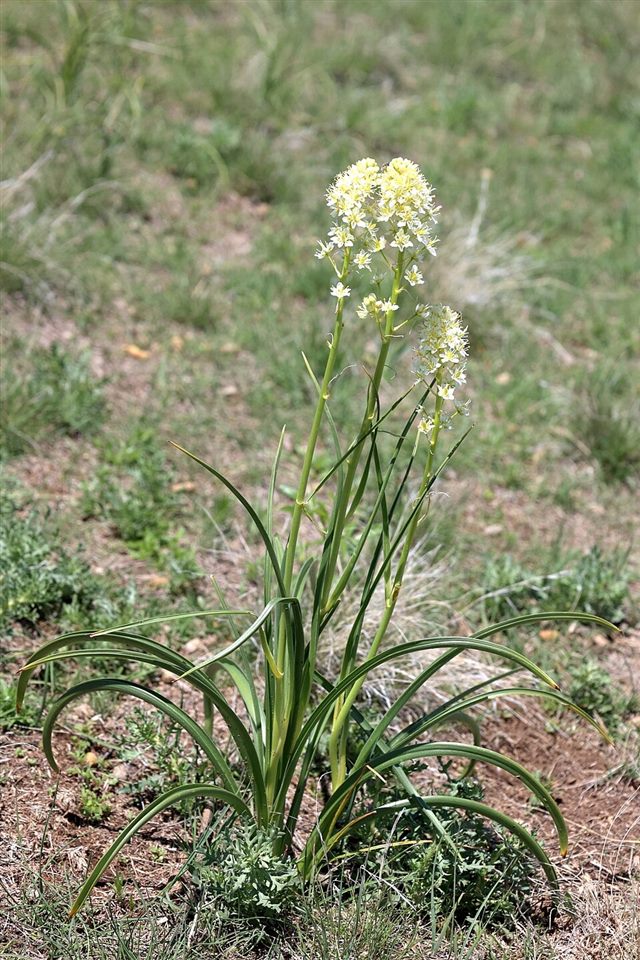
Death Camas

Anticlea elegans / Zigadenus spp.

Affects: dogs, cats, horses

Toxic part: Entire plant

Symptoms: Salivation Staggering Convulsions Respiratory failure

Found in meadows and fields. Looks similar to wild onion but lacks the onion smell. Fatal to livestock and pets.

Moderate: call your vet 13 plants

These plants usually cause serious discomfort and need a vet's guidance, especially for small pets, puppies, and kittens.

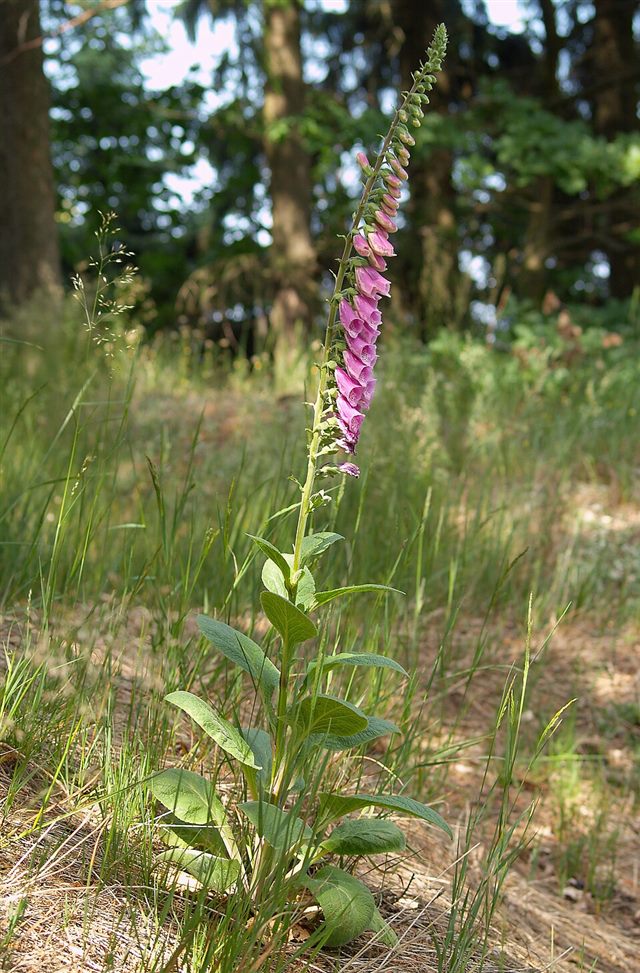
Foxglove (Digitalis purpurea) Moderate Garden / Outdoor Jörg Hempel · CC BY-SA 3.0 de

Foxglove

Digitalis purpurea

Affects: dogs, cats

Toxic part: Entire plant — especially leaves and seeds

Symptoms: Vomiting Drooling Cardiac arrhythmia Weakness Tremors

Popular garden flower with tall purple/pink bell-shaped blooms. Source of the heart medication digitalis.

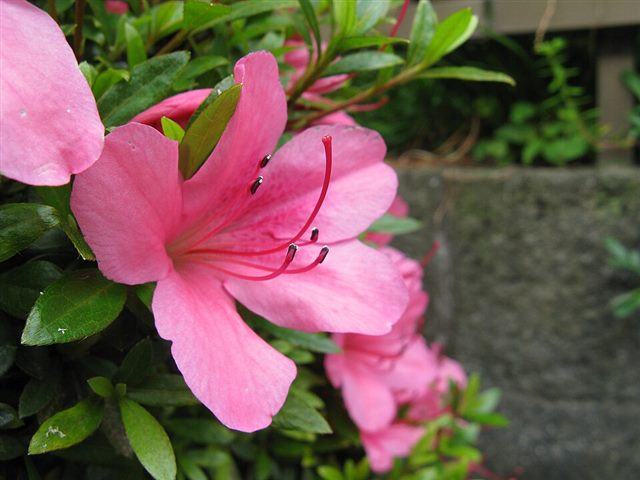
Azalea / Rhododendron (Rhododendron spp.) Moderate Garden / Outdoor KENPEI · CC BY-SA 3.0

Azalea / Rhododendron

Rhododendron spp.

Affects: dogs, cats, horses

Toxic part: Entire plant — especially leaves

Symptoms: Drooling Vomiting Diarrhea Low blood pressure Tremors Blindness

Extremely common in gardens and landscaping. Even eating a few leaves can cause serious illness.

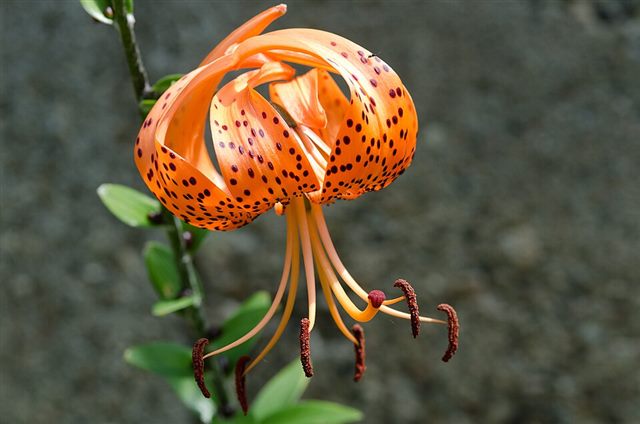
Tiger Lily / Easter Lily (Lilium spp.) Moderate Garden / Outdoor Amada44 · CC BY-SA 3.0

Tiger Lily / Easter Lily

Also known as: Daylily, Asiatic Lily

Lilium spp.

Affects: cats

Toxic part: Entire plant — leaves, petals, pollen, water from vase

Symptoms: Vomiting Lethargy Loss of appetite Acute kidney failure

EXTREMELY toxic to cats — even licking pollen off fur can cause kidney failure. Daylilies are also toxic to cats but not classified as Lilium. Much less toxic to dogs.

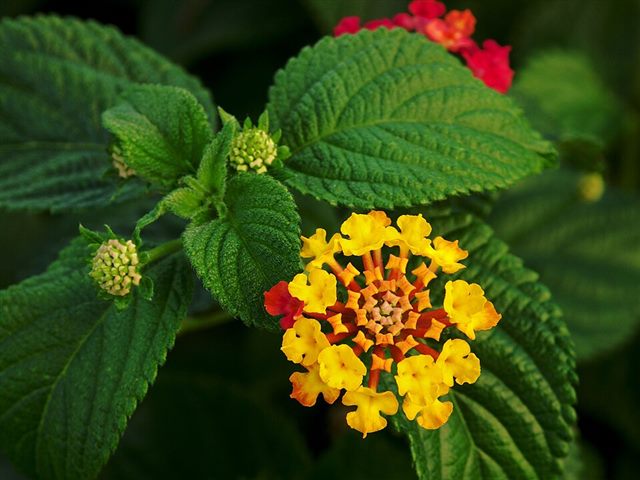
Lantana (Lantana camara) Moderate Garden / Outdoor Alvesgaspar · CC BY-SA 3.0

Lantana

Lantana camara

Affects: dogs, cats

Toxic part: Leaves, unripe berries

Symptoms: Vomiting Jaundice Weakness Liver failure

Common ornamental shrub with colorful flowers. Unripe green berries are most toxic.

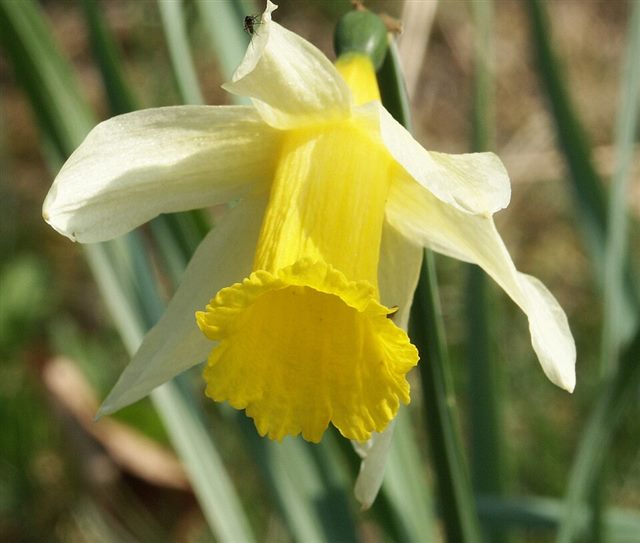
Daffodil / Narcissus (Narcissus spp.) Moderate Garden / Outdoor Wikimedia Commons · CC BY-SA 3.0

Daffodil / Narcissus

Also known as: Jonquil, Paperwhite

Narcissus spp.

Affects: dogs, cats

Toxic part: Bulbs (highest concentration), leaves, flowers

Symptoms: Vomiting Salivation Diarrhea Low blood pressure Tremors Cardiac arrhythmia

A very common spring bulb. Bulbs are most dangerous — dogs often dig and chew them.

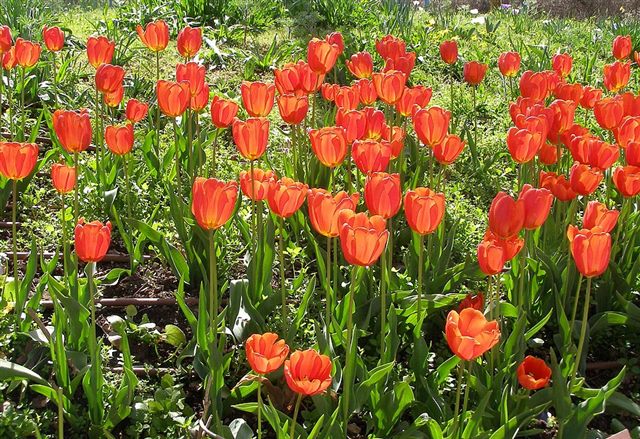
Tulip (Tulipa spp.) Moderate Garden / Outdoor Dina L · CC0

Tulip

Tulipa spp.

Affects: dogs, cats

Toxic part: Bulbs (most toxic), stems, leaves

Symptoms: Drooling Vomiting Diarrhea Depression Cardiac problems

Bulbs are the most toxic part. Toxicity is higher in large quantities.

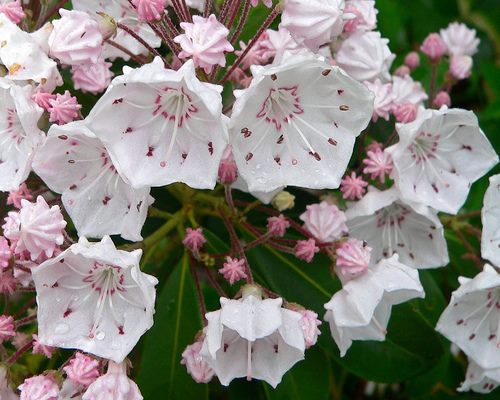
Mountain Laurel

Kalmia latifolia

Affects: dogs, cats, horses

Toxic part: Entire plant — especially leaves and flowers

Symptoms: Salivation Depression Vomiting Low blood pressure Coma

Native to eastern US woodlands and very common in gardens. State flower of Connecticut and Pennsylvania.

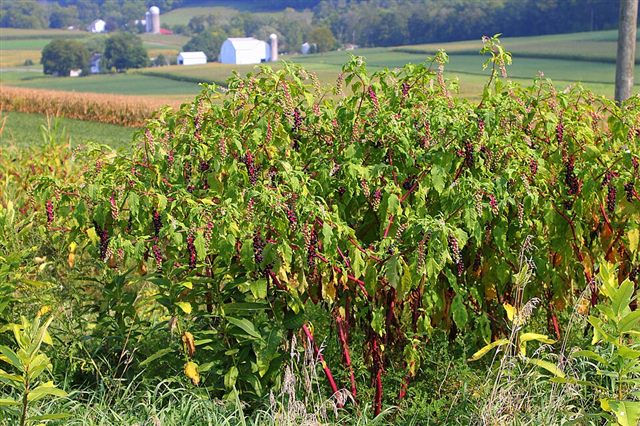
Pokeweed (Phytolacca americana) Moderate Wild Plant Jakec · CC BY-SA 4.0

Pokeweed

Also known as: Inkberry, American Nightshade

Phytolacca americana

Affects: dogs, cats

Toxic part: Roots (most toxic), berries, leaves

Symptoms: Vomiting Diarrhea Anemia Respiratory depression Low blood pressure

Large wild plant with distinctive dark purple berries. Birds eat berries safely but they are toxic to pets and humans.

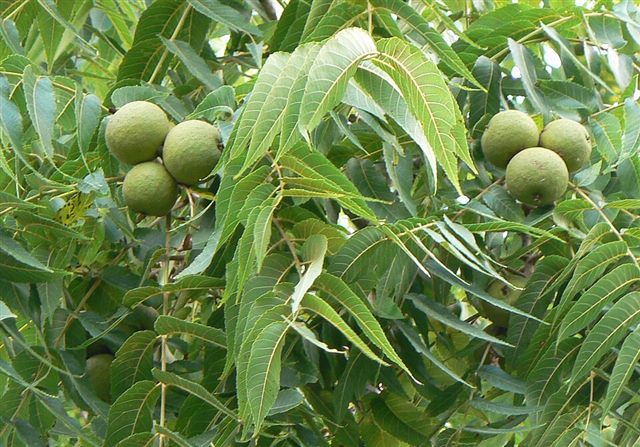
Black Walnut (Juglans nigra) Moderate Garden / Outdoor Wikimedia Commons · Public domain

Black Walnut

Juglans nigra

Affects: dogs, horses

Toxic part: Hulls of nuts, moldy nuts

Symptoms: Vomiting Tremors Weakness Seizures (from mold toxins)

Fresh nuts are less toxic; moldy or old nuts produce tremorgenic mycotoxins that are very dangerous to dogs.

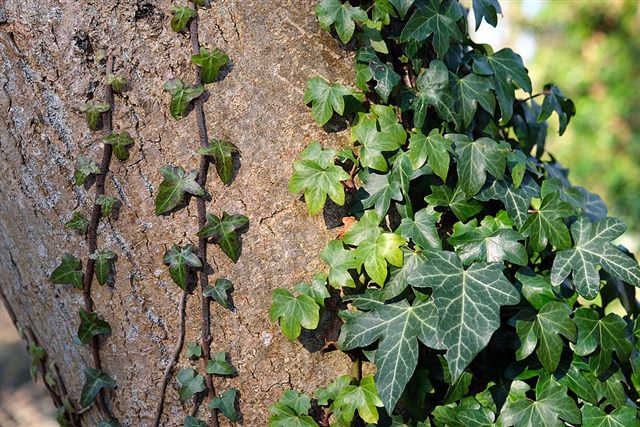
English Ivy (Hedera helix) Moderate Garden / Outdoor kallerna · CC BY-SA 4.0

English Ivy

Hedera helix

Affects: dogs, cats

Toxic part: Leaves and berries (berries most toxic)

Symptoms: Vomiting Diarrhea Drooling Abdominal pain Difficulty breathing

Very common ground cover and houseplant. Berries cause the most severe reactions.

Wisteria (Wisteria spp.) Moderate Garden / Outdoor 3268zauber · CC BY-SA 3.0

Wisteria

Wisteria spp.

Affects: dogs, cats

Toxic part: Seeds and pods

Symptoms: Vomiting Diarrhea Low blood pressure Depression

Beautiful vine with cascading purple flowers. Seed pods look appealing but are toxic.

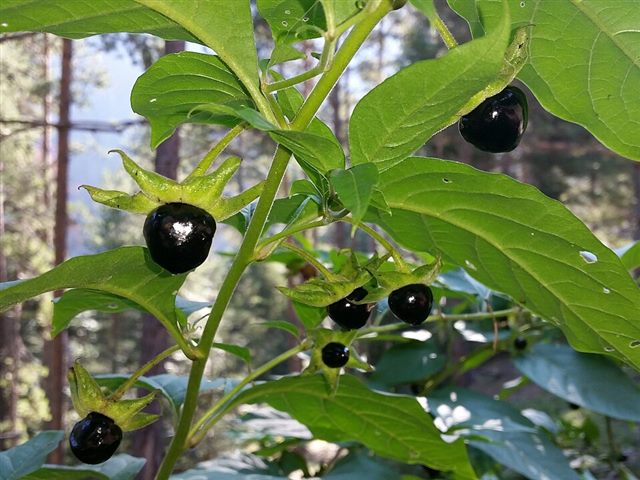
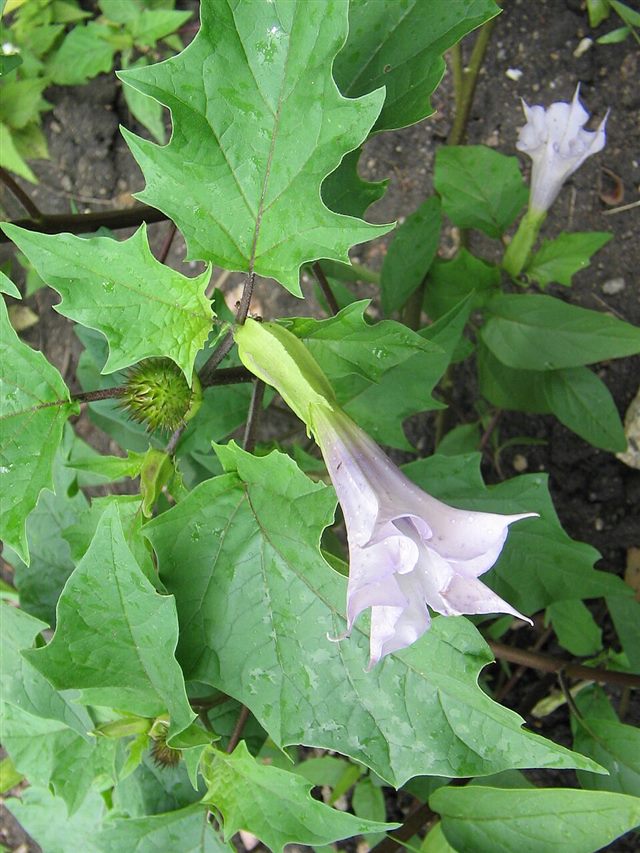
Deadly Nightshade

Also known as: Belladonna, Black Nightshade

Solanum nigrum / Atropa belladonna

Affects: dogs, cats

Toxic part: Entire plant — especially unripe berries

Symptoms: Hypersalivation Vomiting Diarrhea Dilated pupils Slow heart rate Confusion

Found in disturbed soil, roadsides, and garden edges. Berries look attractive to dogs.

Mild: watch closely 10 plants

These plants usually cause drooling or stomach upset. Call your vet if symptoms persist or your pet seems unwell.

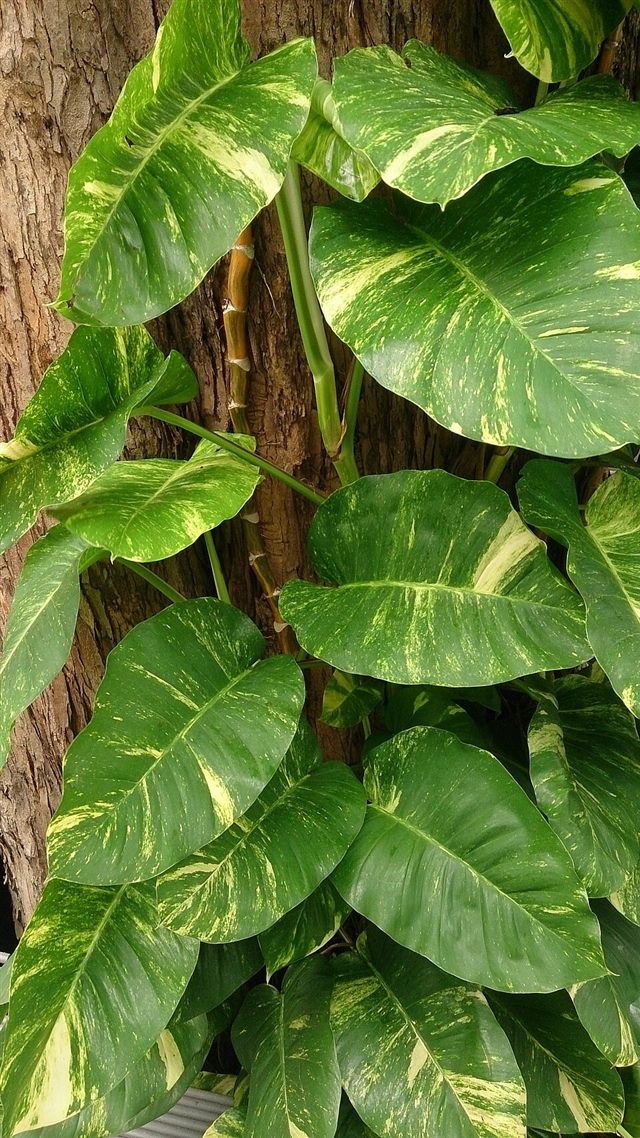
Pothos (Epipremnum aureum) Mild Houseplant Mokkie · CC BY-SA 3.0

Pothos

Also known as: Devil's Ivy, Golden Pothos

Epipremnum aureum

Affects: dogs, cats

Toxic part: All parts

Symptoms: Mouth irritation Drooling Vomiting Difficulty swallowing

One of the most popular houseplants. Causes oral irritation and intense burning if chewed. Keep out of reach of cats that chew plants.

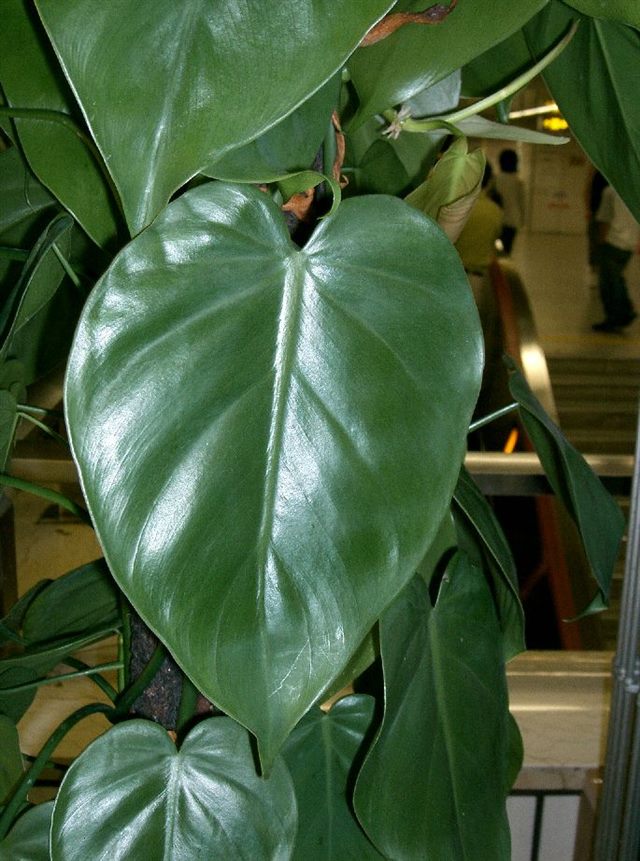
Philodendron (Philodendron spp.) Mild Houseplant KENPEI · CC BY-SA 3.0

Philodendron

Philodendron spp.

Affects: dogs, cats

Toxic part: All parts

Symptoms: Oral burning Drooling Vomiting Swelling of mouth/tongue

Very common houseplant. Contains calcium oxalate crystals that cause immediate pain and burning.

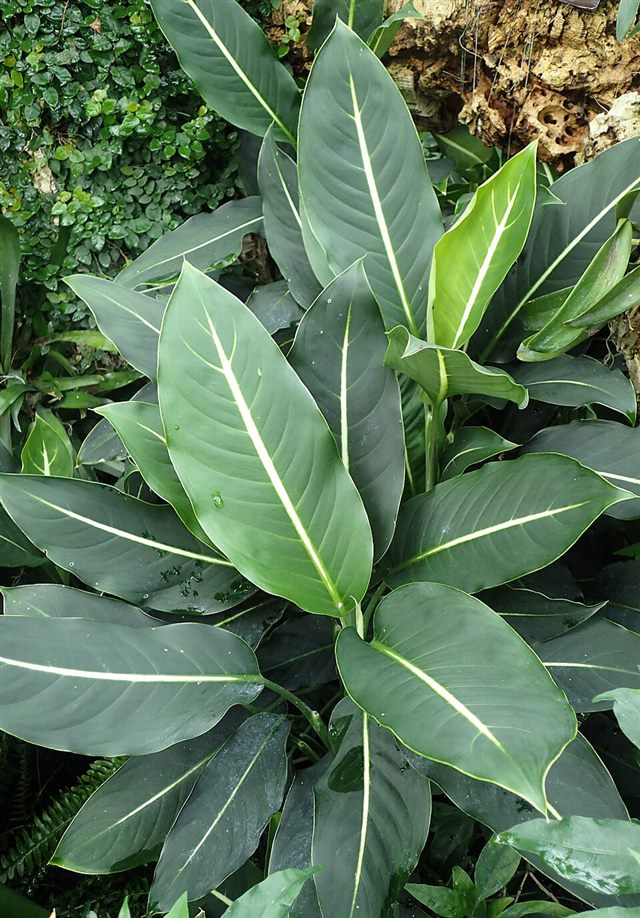
Dieffenbachia

Also known as: Dumb Cane

Dieffenbachia spp.

Affects: dogs, cats

Toxic part: Entire plant

Symptoms: Intense oral pain Drooling Swollen tongue Difficulty swallowing Vomiting

Causes intense oral pain and swelling — enough to temporarily impair speech in humans. Keep away from pets that chew.

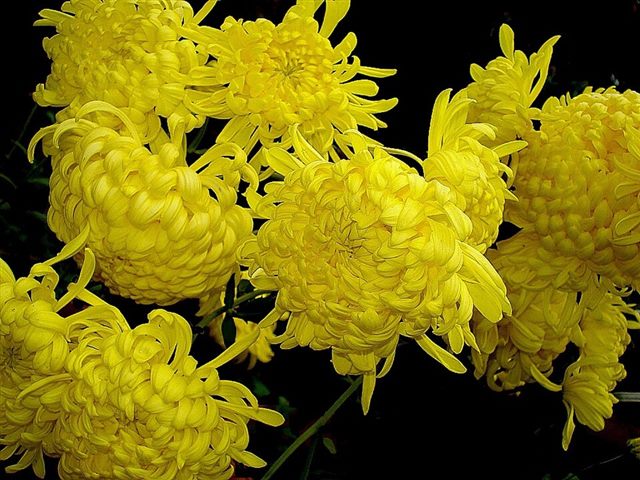
Chrysanthemum

Also known as: Mums, Daisy

Chrysanthemum spp.

Affects: dogs, cats

Toxic part: All parts — especially flowers

Symptoms: Vomiting Diarrhea Drooling Incoordination Skin rash (on contact)

Very common garden and houseplant. Usually causes GI upset rather than serious illness.

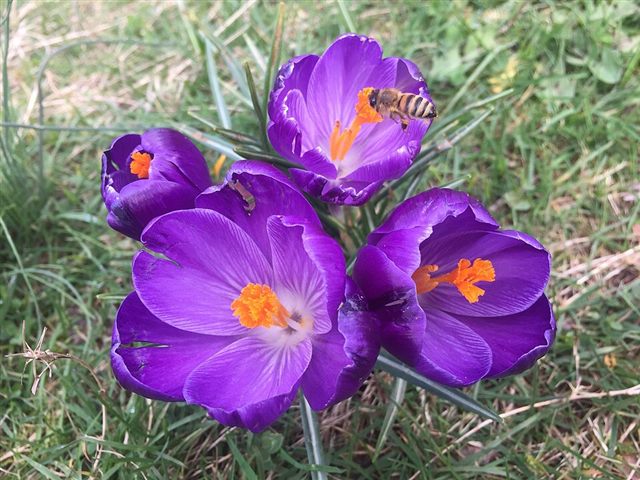
Spring Crocus (Crocus vernus) Mild Garden / Outdoor Generalrelative · CC BY-SA 4.0

Spring Crocus

Crocus vernus

Affects: dogs, cats

Toxic part: All parts

Symptoms: Vomiting Diarrhea

Mildly toxic (unlike Autumn Crocus which is severe). Causes gastrointestinal upset. Blooms in spring.

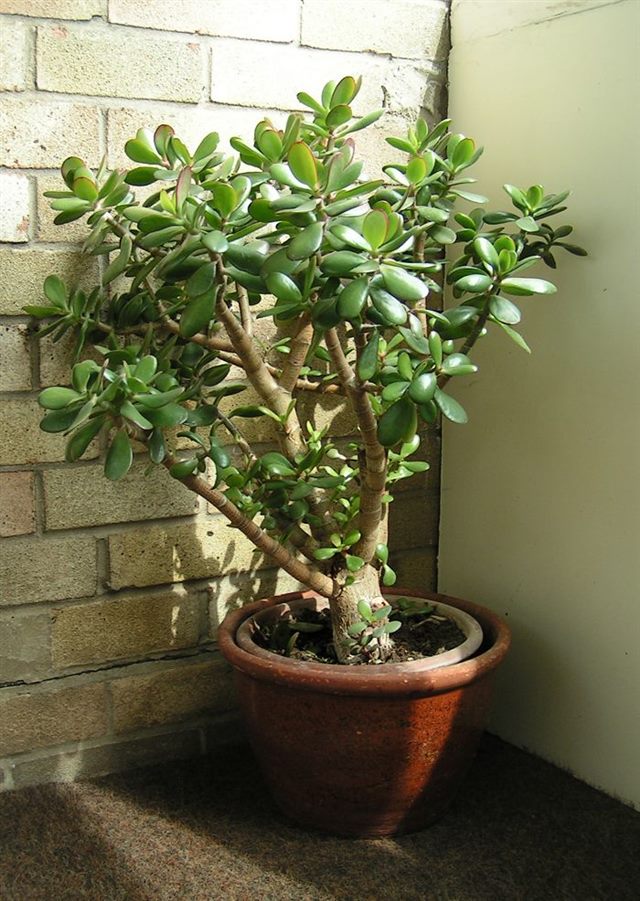
Jade Plant

Also known as: Money Plant, Dollar Plant

Crassula ovata

Affects: dogs, cats

Toxic part: Entire plant

Symptoms: Vomiting Lethargy Incoordination Depression

Common succulent houseplant. Mechanism of toxicity is unknown but causes consistent GI and neurological signs.

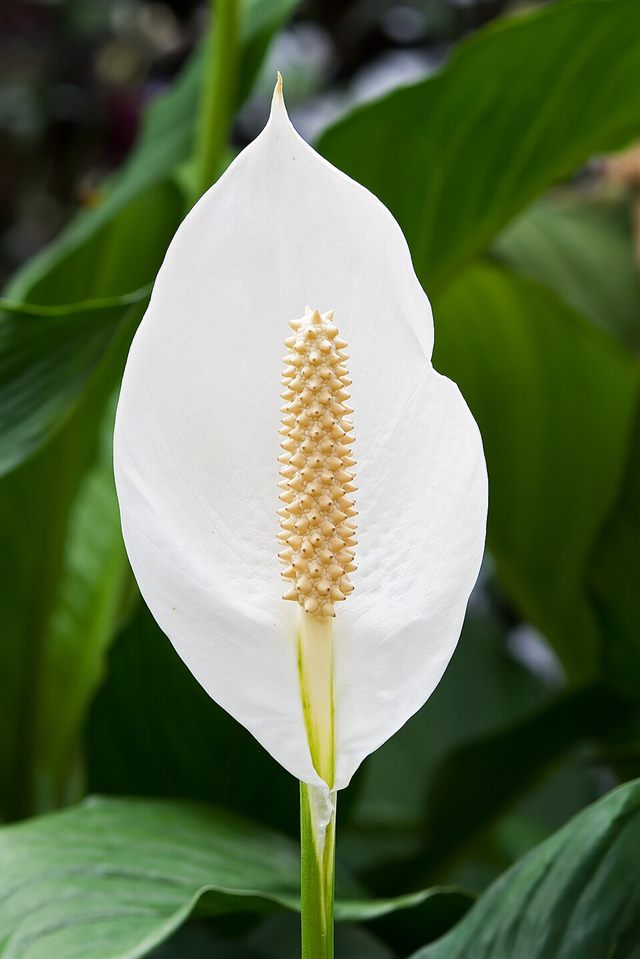
Peace Lily

Also known as: Mauna Loa

Spathiphyllum spp.

Affects: dogs, cats

Toxic part: All parts

Symptoms: Mouth irritation Drooling Vomiting Difficulty swallowing

One of the top 10 most popular houseplants — contains calcium oxalate crystals. Despite the name, it is NOT a true lily and does not cause kidney failure like Lilium species.

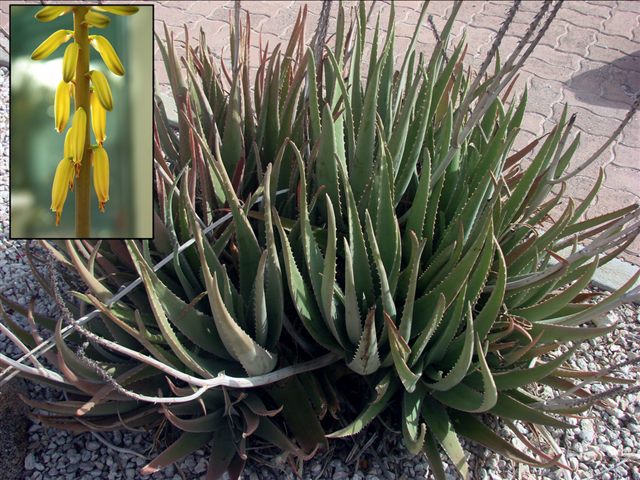
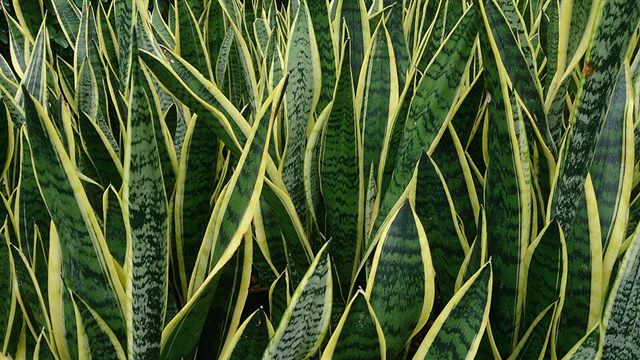
Snake Plant (Dracaena trifasciata) Mild Houseplant Mokkie · CC BY-SA 3.0

Snake Plant

Also known as: Mother-in-Law's Tongue, Sansevieria

Dracaena trifasciata

Affects: dogs, cats

Toxic part: All parts

Symptoms: Nausea Vomiting Diarrhea

Popular low-maintenance houseplant. Saponins cause mild GI upset. Rarely causes serious illness.

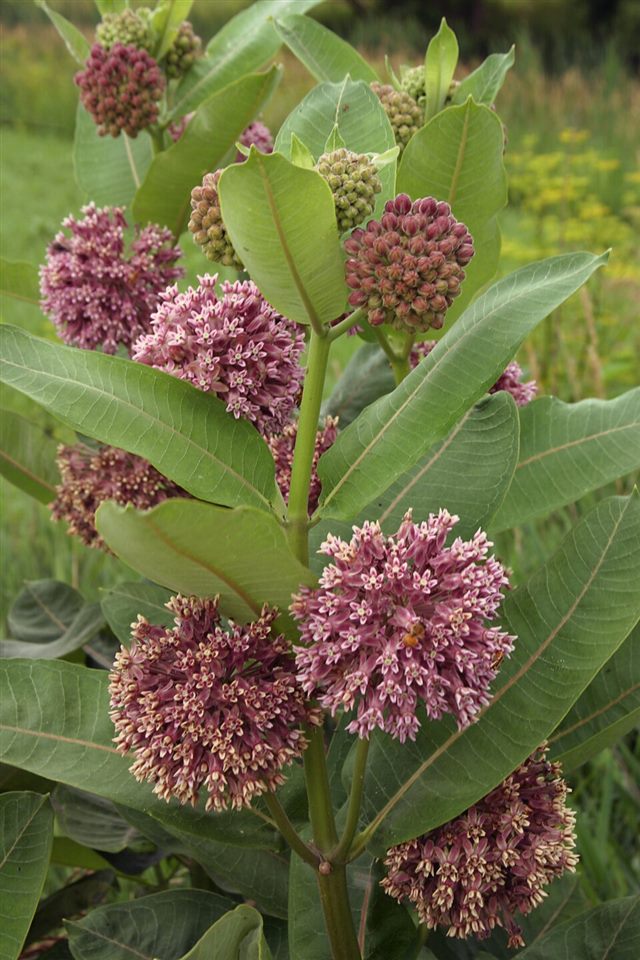
Common Milkweed

Asclepias syriaca

Affects: dogs, cats, horses

Toxic part: Entire plant — especially fresh leaves

Symptoms: Vomiting Diarrhea Weakness Possible seizures in large amounts

Important monarch butterfly habitat plant. Found in fields, meadows, and roadsides. Large amounts cause more serious symptoms.

If your pet ate a plant on this list

  1. Move your pet away from the plant and gently remove any plant material from their mouth.
  2. Do not induce vomiting unless a veterinary professional tells you to.
  3. Call the ASPCA Animal Poison Control Center at (888) 426-4435 or your nearest emergency vet.
  4. Save a piece of the plant or take a photo of it. It helps the vet identify the toxin fast.
This guide is educational awareness content, not veterinary advice, and it is not a diagnosis. Plant lists are never complete: your home or yard may hold plants that are not shown here. If you suspect poisoning, call the ASPCA Animal Poison Control Center at (888) 426-4435 or an emergency vet immediately. Data sourced from ASPCA, Pet Poison Helpline, and USDA plant toxicology resources. Photos from Wikimedia Commons contributors, credited on each photo.